
Introduction
This Privacy Policy explains how your website collects, uses, and protects user information when visitors access or interact with your services. It is intended for general use and should be customized based on your actual data practices and applicable legal requirements.
By using this website, users agree to the collection and use of information in accordance with this policy.
Information We Collect
We may collect the following types of data:
1.1 Personal Information
- Full name
- Email address
- Phone number
- Billing or shipping address (if applicable)
- Account credentials (if registration is enabled)
1.2 Non-Personal Information
- Browser type and version
- Device type and operating system
- IP address
- Pages visited and time spent on site
- Referral source (how the user arrived on the website)
1.2 Non-Personal Information
Collected data is used for the following purposes:
- To provide and maintain website functionality
- To improve user experience and performance
- To process transactions or service requests
- To send important updates or notifications
- To monitor and prevent security issues
- To analyze usage patterns for optimization
Users may disable cookies in browser settings, but some features may not function properly.
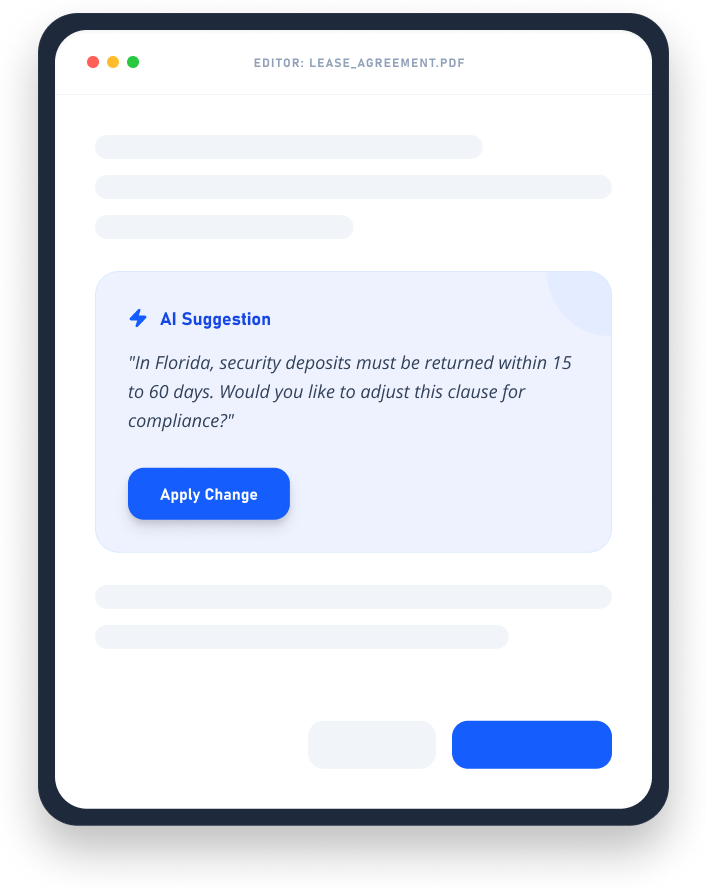
Then you shouldn’t treat this as a single “privacy policy page” for production SEO yet. You need a kitchen-sink test article that intentionally includes diverse content patterns so your Next.js + editor pipeline validates rendering, parsing, and serialization.
export async function generateMetadata({
  params,
}: BlogDetailPageProps): Promise<Metadata> {
  const { slug } = await params;
  const post = await getBlogPostBySlug(slug);

  if (!post) {
    return {
      title: "Blog | SELISE",
    };
  }

  const title = toPlainText(post.seo?.title || post.title);
  const description = toPlainText(post.seo?.description || post.excerpt);
  const image = post.image?.url;

  return {
    title,
    description,
    alternates: {
      canonical: post.seo?.canonical || `https://hishabee.io/blog/${slug}`,
    },
    openGraph: {
      title: toPlainText(post.seo?.openGraph?.title || title),
      description: toPlainText(post.seo?.openGraph?.description || description),
      url: post.seo?.openGraph?.url || `https://hishabee.io/blog/${slug}`,
      siteName: post.seo?.openGraph?.siteName || "SELISE",
      type: "article",
      images: image
        ? [
            {
              url: image,
              width: post.image?.width,
              height: post.image?.height,
              alt: post.image?.alt,
            },
          ]
        : undefined,
    },
    twitter: {
      card: "summary_large_image",
      title,
      description,
      images: image ? [image] : undefined,
    },
  };
}
Do not mix it into your real “Legal Templates” taxonomy for now. That will contaminate internal linking signals and Yoast analysis.
View More
Do not mix it into your real “Legal Templates” taxonomy for now. That will contaminate internal linking signals and Yoast analysis.
This website is not intended for individuals under the age of 13 (or applicable minimum age in your region). We do not knowingly collect personal data from children. If such data is identified, it will be removed promptly.
This website is not intended for individuals under the age of 13 (or applicable minimum age in your region). We do not knowingly collect personal data from children. If such data is identified, it will be removed promptly.
Leave a Reply